01
What Is Hydro Jetting and How Does It Work?
high-pressure water jetterPSI rating
Hydro jetting is a drain cleaning method that uses a high-pressure water jetter to blast water through a pipe at pressures typically between 1,500 and 4,000 PSI, stripping debris from every angle of the pipe wall — not just the center.
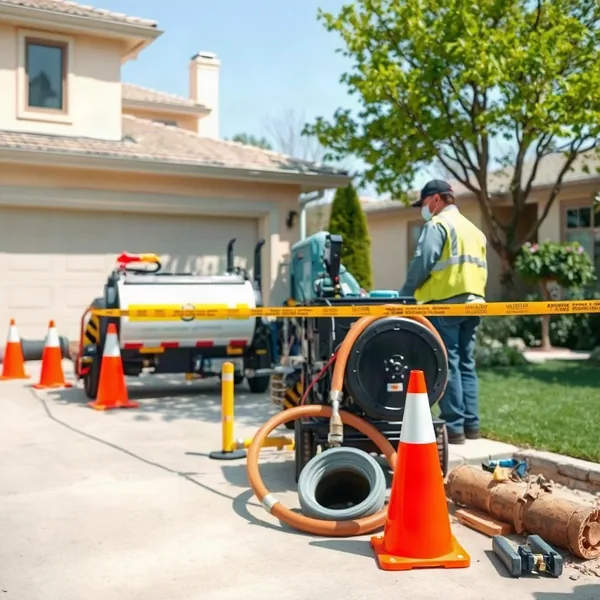
A plumber feeds a flexible hose into the line through a cleanout access point, then activates the unit. The PSI rating is selected based on pipe material and clog severity: clay or older PVC lines generally run lower, while cast iron commercial mains can handle the upper range. Unlike a simple rinse, the water jet simultaneously pushes debris forward and scrubs sidewalls clean. The full process on a standard residential line takes roughly 45 to 90 minutes.
02
How Much Does Hydro Jetting Cost?
sewer line lengthflat-rate quote
Hydro jetting cost in Bullhead City typically runs between $300 and $600 for a residential drain line, with hydrojet drain cleaning cost rising to $500–$1,000 for heavily blocked sewer mains or commercial lines.
The biggest price variables are sewer line length, pipe diameter, and how compacted the buildup is. A 50-foot residential lateral with moderate grease sits at the lower end; a 150-foot commercial line packed with years of scale sits at the top. Most plumbers we refer offer a flat-rate quote after a quick camera inspection so you know the full price before work begins. Standard snaking, by comparison, runs $100–$250 but rarely produces the same lasting result.
03
Is Hydro Jetting Available Near Me in Bullhead City?
service area Scheduling
Serving Bullhead City ZIP codes 86429, 86430, 86439 and 86442.
Water jetting near me requests in this corridor are typically answered within the same business day, and scheduling is available for urgent backups during weekday hours. The service area extends roughly 25 miles from central Bullhead City, covering most Mohave County addresses along the Colorado River corridor. When you call, confirm your zip code so dispatch can match you with the closest available licensed plumber who carries jetting equipment on the truck.
04
Hydro Jetting vs. Snaking: Which Clears Sewer Lines Better?
sewer jetterroot intrusiongrease buildup
For grease buildup or root intrusion, hydrojet drain cleaning outperforms snaking in almost every measurable way.
A sewer jetter scours the full pipe wall rather than poking a hole through a clog, which is all a snake can accomplish. Snaking is faster and cheaper — useful for a hair clog near a tub drain — but it leaves grease film and root fragments behind. Hydro jetting a sewer line shears roots at the pipe wall and completely flushes the debris downstream. Hydrojetting services also reduce call-back frequency: homes that snake a main line repeatedly every few months often go a year or more between calls after a proper sewer jetting service. For serious recurring backups, jetting is the right tool.
05
What Equipment Do Plumbers Use for Water Jetting?
jetter nozzlejetting hosecamera inspection
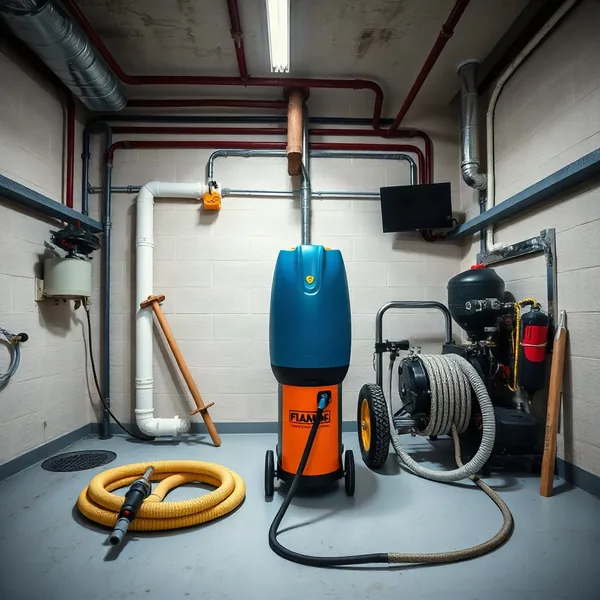
A complete water jet plumbing setup includes a trailer- or truck-mounted pressure unit, a high-pressure jetting hose rated for the working PSI, and a rotating jetter nozzle that fires jets both forward and backward simultaneously.
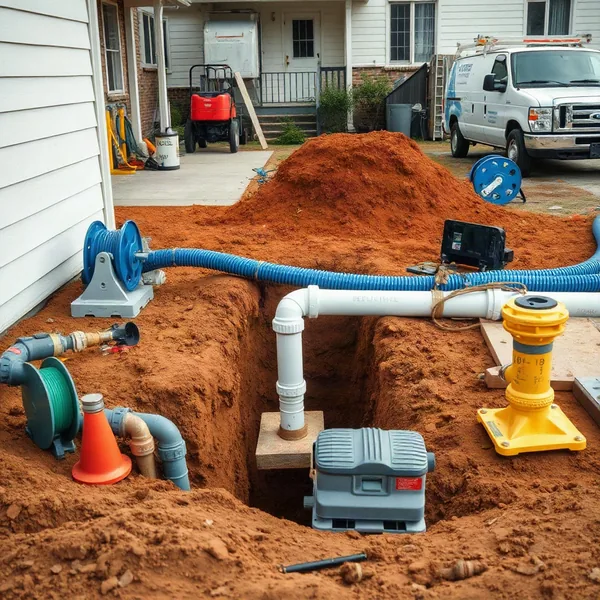
The backward-facing ports on the sewer jetter nozzle propel the hose forward through the pipe while cleaning the walls — no manual pushing required beyond the first few feet. For water jet drain cleaning on residential lines, hose diameters typically run 1/4 to 3/8 inch; commercial pipe jetter setups use heavier-duty hoses. Before any hydro jet pipe cleaning begins, a sewer camera inspects the line so the plumber selects the right nozzle size and pressure for jet pipe cleaning without risking pipe damage. The whole rig fits in a standard service van.
06
Can You Hydro Jet Grease and Root Blockages?
grease builduproot intrusion
High pressure drain cleaning handles both grease buildup and root intrusion, though each requires a slightly different approach.
Grease deposits respond quickly to sustained water pressure — hydro cleaning pipes at 2,000–3,500 PSI emulsifies even hardened grease that has been accumulating for years. Root intrusion is more demanding: the plumber typically uses a root-cutting nozzle first to slice through the mass, then follows with a standard flushing pass to clear debris. One important caveat — if roots have already cracked the pipe wall, jetting won't fix the structural damage, which is why a pre-job camera check is non-negotiable. After either type of blockage is cleared, most plumbers recommend a follow-up camera pass to confirm full flow is restored and no secondary issues were hiding behind the original clog.