Water Heater Repair or Replacement? How to Decide in Bullhead City's Desert Heat
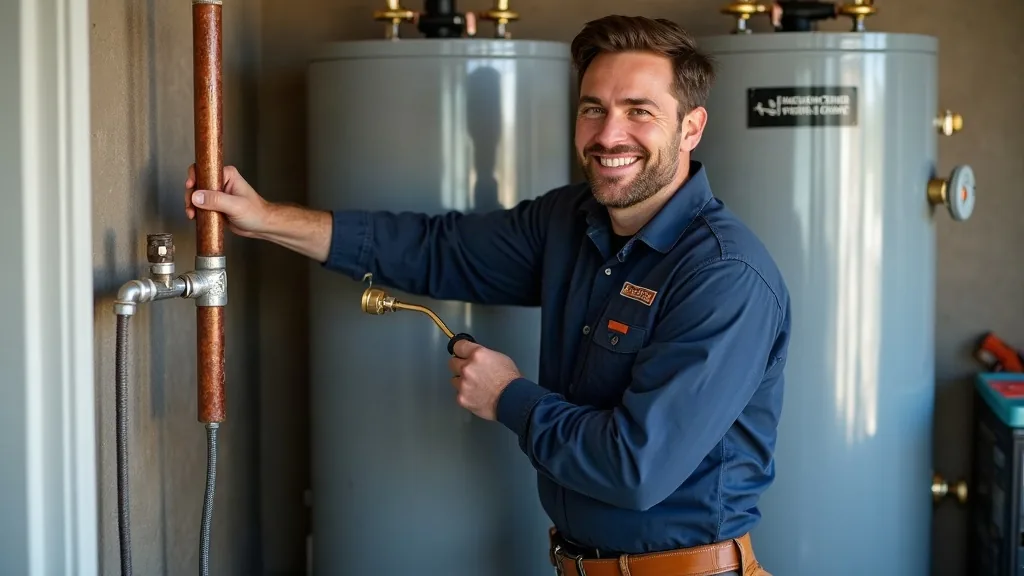
When your water heater starts acting up in the middle of a Bullhead City summer — where temperatures routinely climb past 115°F — you need answers fast. The big question most homeowners face is whether to repair or replace water heater equipment, and the wrong call can cost you hundreds of dollars or leave you without hot water longer than necessary. It's not always an obvious decision, and the desert climate here adds a few wrinkles that homeowners in cooler regions never have to think about.
The good news is that this decision doesn't have to be a guessing game. There are clear, practical factors you can weigh right now — the age of your unit, the nature of the problem, your energy costs, and how Bullhead City's hard water and extreme heat affect water heater lifespan. This article walks you through each of those factors so you can walk into a conversation with a plumber already knowing what questions to ask.
By the end, you'll understand the specific signs that point toward repair, the red flags that mean it's time for a full replacement, and why getting a licensed local plumber involved sooner rather than later almost always saves money in the long run.
How Bullhead City's Climate Affects Your Water Heater
Most water heater guides are written for a national audience, but Bullhead City presents a unique set of conditions that accelerate wear on water heating equipment. First, our water is notoriously hard. High mineral content — primarily calcium and magnesium — causes scale to build up inside the tank and on heating elements faster than in softer-water regions. That scale acts as an insulating layer between the heating element and the water, forcing your unit to work harder and run longer to hit the target temperature. Over time, this dramatically shortens the life of the appliance.
Second, the ambient temperature in Bullhead City affects how hard your unit has to work in ways that might surprise you. During summer, the air in your garage or utility closet where the water heater lives can itself reach extreme temperatures, which can stress pressure relief valves and cause the tank to expand and contract repeatedly. During the cooler winter months, nighttime temperatures drop enough that the unit cycles more frequently. This constant thermal cycling stresses the tank lining and connections over time.
Finally, if your water heater is located outside or in an unconditioned space — which is common in many Bullhead City homes — UV exposure and direct heat can degrade insulation and external components much faster than the manufacturer's rated lifespan assumes. Understanding these local conditions helps you set realistic expectations about how long your unit should last and when warning signs deserve serious attention.
How to Repair or Replace Water Heater — The Key Decision Factors
The clearest factor is age. A standard tank water heater is designed to last 8 to 12 years, but in Bullhead City's hard-water environment, many units show significant decline closer to the 8-year mark. If your unit is under seven years old and the problem is isolated — a failed heating element, a faulty thermostat, or a worn-out anode rod — then Water Heater Repair is almost always the more cost-effective path. These are relatively inexpensive parts, and a repair can buy you several more years of reliable service.
However, once a unit crosses the 10-year threshold, the math changes. Even if today's repair is affordable, an aging tank is statistically likely to develop another problem within a year or two. Paying for repeated repairs on an old unit rarely makes financial sense, especially when you factor in the efficiency improvements available in newer models. If the annual repair cost exceeds 50 percent of the price of a new unit, most plumbing professionals recommend replacement.
There are also certain failure modes that point immediately to replacement regardless of age. A leaking tank is the most serious — once the inner lining cracks or the tank itself corrodes through, no repair will hold long-term. Rusty or brown water coming from your hot taps is another red flag, as it typically means the inside of the tank is corroding. In these cases, a full Water Heater Installation is the only reliable solution, and delaying it risks water damage to your home.
Choosing the Right Replacement Unit for the Desert
If you've determined that replacement is the right call, the next decision is which type of water heater makes sense for a Bullhead City home. Traditional tank water heaters remain the most common choice and are well-suited to our climate when sized properly. However, tankless water heaters have become increasingly popular here because they eliminate the standby heat loss that occurs when a large tank of water sits waiting to be used — a real efficiency gain when energy bills are already high from air conditioning.
Heat pump water heaters are another option worth considering. They work by pulling heat from the surrounding air — of which Bullhead City has plenty — and transferring it into the water. They use significantly less electricity than a standard electric resistance heater, which can translate to meaningful savings over time. The trade-off is a higher upfront cost and a requirement for adequate surrounding air space, so they're not right for every installation.
Whatever type you choose, make sure the unit is properly sized for your household's demand. An undersized unit will run constantly and fail prematurely; an oversized unit wastes energy. A licensed plumber who knows local water conditions can help you choose the right capacity, recommend a model with a good anode rod for hard water, and ensure the installation meets Bullhead City and Arizona code requirements.
Frequently Asked Questions
Need Help? Contact Bullhead City Plumbers
Local pros are available in Bullhead City — get a quote today